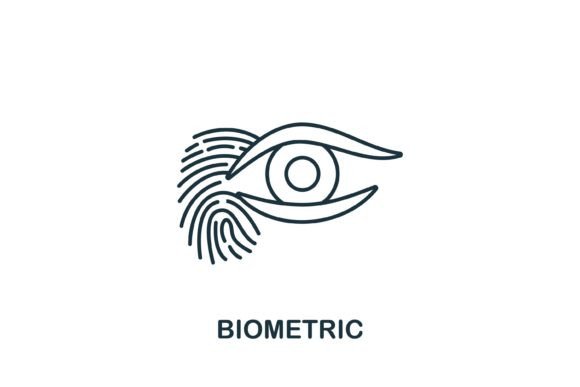
Biometric Icon: Graphics and Icons for Modern Design
As a designer working on a variety of client projects, I always look for graphic design assets that offer both visual appeal and practical use. The Biometric Icon fits that bill perfectly. It’s a simple line element that carries a strong cybercrime symbol, making it ideal for templates, web design, and infographics. This design asset is versatile enough to support a range of creative design needs, from branding to digital product development.
First Impressions: A Cybercrime Symbol with Purpose
The Biometric Icon immediately conveys a sense of tech-savviness and security. Its clean, minimal lines suggest a modern design language that can be adapted across different mediums. The icon feels professional yet approachable, which makes it suitable for a wide range of clients—from startups to established brands looking to incorporate a digital edge into their visual identity.
This icon is particularly effective when used in contexts that require a subtle nod to technology or security. For instance, if I were designing a marketing campaign for a small business offering online services, the Biometric Icon could serve as a visual cue that reinforces trust and innovation.
Real-World Applications: From Branding to Print-On-Demand
In logo design, the Biometric Icon can act as a standalone symbol or complement a typography-based brand mark. It works well in brand identity projects where a digital or high-tech feel is desired. When paired with a sans-serif font, it creates a cohesive and modern aesthetic that resonates with today’s audiences.
For packaging design, this icon can be used as a decorative accent or as part of a larger visual theme. It adds a layer of sophistication without overwhelming the overall composition. In t-shirt design or merchandise, the Biometric Icon can be printed as a subtle graphic, giving the product a unique and recognizable look.
When it comes to social media graphics or Canva templates, the Biometric Icon is a valuable addition. It can be used as a background element, a border, or a focal point depending on the design direction. Its vector format ensures it remains sharp at any size, which is essential for digital ads, Pinterest pins, or Instagram posts.
Best Uses: Where the Biometric Icon Shines
The Biometric Icon excels in large layout areas, such as hero graphics or product mockups. Its simplicity allows it to stand out without competing with other design elements. In themed collections or campaign visuals, it can be repeated or scaled to create a consistent visual language.
It also works well as a decorative accent in editorial design or as a supporting brand element in commercial design. For print-on-demand sellers or Etsy products, the icon can be used in sticker design, printable wall art, or sublimation design to add a unique touch to physical items.
Caution: When to Avoid the Biometric Icon
While the Biometric Icon is versatile, it may not be the best choice for every project. In minimalist branding or professional corporate materials, its style might feel too stylized or distracting. Similarly, in low-contrast designs or crowded layouts, it can lose its impact and become difficult to read.
Small sizes can also be an issue. At very tiny dimensions, the details may not translate well, especially if the design is not optimized for scalability. It’s important to test the icon in different sizes before finalizing a design.
Design Considerations: What Every Designer Should Check
Before using the Biometric Icon for a client project, there are several practical steps to take. First, test it in black and white to see how it performs without color. Then, check the contrast on both light and dark backgrounds to ensure visibility.
Preview the icon at various sizes to confirm it remains clear and legible. Place it on real mockups to see how it integrates with other design elements. If it’s being used for print, review the file formats—EPS, AI, SVG, and JPG—to ensure compatibility with the intended output.
If transparency is needed, inspect the PNG design to make sure it aligns with the project’s requirements. For SVG design, verify that it’s editable and scalable. Comparing it with different font styles can also help determine the best visual hierarchy for the project.
Commercial Use: Licensing and Practicality
One of the most important considerations when using the Biometric Icon is commercial licensing. Before incorporating it into a client project, always confirm that the license covers the intended use. This is especially critical for small business branding or print-on-demand ventures where the design may be sold or distributed.
As a designer, I rely on design assets that are both functional and legally sound. The Biometric Icon, with its multiple file formats and clear usage rights, offers a reliable option for creative marketplace projects, whether it’s for a handmade business or a digital product launch.
Conclusion: A Valuable Addition to Any Design Toolkit
The Biometric Icon is more than just a simple line element—it’s a powerful graphic design asset that can elevate a wide range of projects. Whether used in branding, web design, or print-on-demand products, it brings a modern, tech-inspired aesthetic that resonates with today’s audiences.
For designers looking to enhance their visual vocabulary, the Biometric Icon is a practical and stylish choice. With proper testing and consideration, it can become a key component in a successful design solution for any client.